
Agra Tour and Travel Guide

Where India's Mughal Legacy Still Stands

Few cities have shaped India's history as profoundly as Agra. Once the seat of the mighty Mughal Empire, the city became the centre of political power, architectural innovation and artistic excellence for more than a century. Today, Agra continues to welcome visitors from around the world who come to admire monuments that have become symbols of India's cultural heritage.

The city is, of course, inseparable from the Taj Mahal, one of the world's most admired architectural masterpieces. Yet Agra's story extends far beyond a single monument. Massive red sandstone forts, elegant Mughal gardens, bustling markets and centuries-old artisan workshops reveal a city where history continues to influence everyday life.

As part of India's renowned Golden Triangle Tour, Agra offers a remarkable introduction to the country's imperial past while providing easy access from both Delhi and Jaipur.


A City That Witnessed the Rise of an Empire

Agra flourished under the reign of the Mughal emperors, particularly Akbar, Jahangir and Shah Jahan. During this period, magnificent palaces, mosques, gardens and public buildings transformed the city into one of the wealthiest capitals in the world.

Many of these architectural achievements still stand today. Agra Fort remains an extraordinary example of military architecture, while the delicate marble craftsmanship of the Taj Mahal continues to inspire architects, historians and travellers alike. Walking through Agra offers an opportunity to experience the legacy of an empire that left an enduring mark on Indian art, culture and design.


More Than the Taj Mahal

Although the Taj Mahal attracts millions of visitors every year, Agra rewards those who spend time beyond its famous white marble walls.

Historic neighbourhoods preserve traditional crafts such as marble inlay work, leather goods and handwoven textiles. Local markets offer everything from handcrafted souvenirs to Mughal-inspired artwork, while family-run restaurants continue to prepare recipes influenced by centuries of royal cuisine.

The city also serves as a gateway to nearby heritage sites, making it an ideal base for travellers interested in Mughal history and North India's cultural landscape.


Art, Craftsmanship and Local Traditions

Generations of artisans have helped preserve Agra's reputation for exceptional craftsmanship. Skilled craftsmen continue to create intricate marble inlay pieces using techniques introduced during the construction of the Taj Mahal. Visitors can also see traditional zardozi embroidery, leather craftsmanship and handwoven textiles that reflect the city's artistic heritage.

Agra's culinary traditions are equally well known. From rich Mughlai cuisine to the city's famous Agra Petha, local food offers another glimpse into the flavours developed during the Mughal era.

Throughout the year, cultural events, heritage walks and local festivals provide opportunities to experience a side of Agra that many day visitors often overlook.


Best Time to Visit Agra

The most pleasant time to visit Agra is between October and March, when cooler temperatures make sightseeing far more comfortable. Early mornings offer excellent conditions for visiting the Taj Mahal, while evenings are ideal for exploring Agra Fort and local markets.

Travellers visiting during winter also benefit from clearer weather, making photography and outdoor exploration especially enjoyable.


A Journey Through India's Imperial Past

Agra remains one of those destinations where every monument tells part of a much larger story. The city's remarkable architecture, artistic traditions and historical significance continue to make it an essential stop for travellers interested in India's cultural heritage.

The attractions featured below introduce Agra's most important landmarks, offering a deeper understanding of the Mughal Empire and the architectural masterpieces that continue to define this remarkable city.

Major tourist spots in Agra Tour and Travel Guide

Taj Mahal

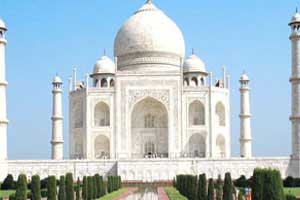
The Taj Mahal is one of the Seven Wonders of the World and India's most iconic monument, symbolizing eternal love and architectural brilliance. Built by Mughal Emperor Shah Jahan in memory of his beloved wife Mumtaz Mahal, construction began in 1632 and took over 20 years to complete. Made entirely of white Makrana marble, the monument is adorned with intricate carvings, precious stone inlay work, and beautifully landscaped Mughal gardens. Situated on the banks of the Yamuna River, the Taj Mahal changes its appearance with the sunlight, making it a breathtaking attraction and a UNESCO World Heritage Site visited by millions every year.

Agra Fort

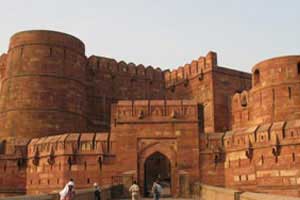
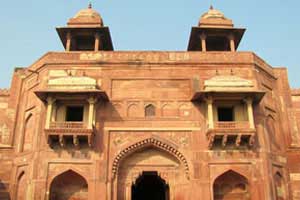
The Agra Fort is a magnificent UNESCO World Heritage Site and one of the finest examples of Mughal architecture in India. Built by Emperor Akbar in 1565 using red sandstone, the fort later underwent several additions by Shah Jahan using white marble. Surrounded by massive defensive walls and a moat, the fort houses impressive structures such as Jahangir Mahal, Khas Mahal, Diwan-i-Am, Diwan-i-Khas, Musamman Burj, and Sheesh Mahal. Offering spectacular views of the Taj Mahal from its ramparts, Agra Fort played a vital role in Mughal history and remains one of Agra's most visited historical landmarks.

Moti Masjid

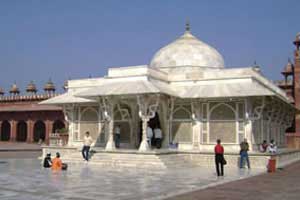
The Moti Masjid, also known as the Pearl Mosque, is one of the most elegant mosques inside Agra Fort. Built by Mughal Emperor Shah Jahan between 1648 and 1654, the mosque is constructed entirely from pristine white marble, giving it a pearl-like appearance. Its beautifully carved arches, symmetrical design, polished marble floors, and peaceful prayer hall reflect the finest Mughal craftsmanship. The mosque was originally built for the emperor and members of the royal court. Today, Moti Masjid attracts visitors who admire its architectural beauty, spiritual atmosphere, and historical significance within the Agra Fort complex.

Jama Masjid

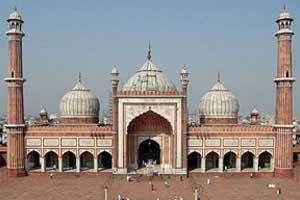
The Jama Masjid in Agra is one of the largest and most beautiful mosques built during the Mughal era. Constructed in 1648 by Jahanara Begum, the daughter of Emperor Shah Jahan, the mosque was dedicated to the revered Sufi saint Sheikh Salim Chishti. Built using red sandstone and white marble, it features grand domes, elegant arches, beautifully decorated prayer halls, and intricate floral patterns. The spacious courtyard can accommodate thousands of worshippers at a time. Located near Agra Fort, Jama Masjid remains an important religious site and a remarkable example of Mughal architecture.

Jodha Bai Ka Rauza

Jodha Bai Ka Rauza is believed to be associated with Maharani Jodha Bai, the Rajput queen of Emperor Akbar and daughter of Raja Bharmal of Amber. Although historical records about the monument vary, it is admired for its beautiful blend of Rajput and Mughal architectural styles. The structure features finely carved sandstone walls, decorative arches, elegant courtyards, and intricate floral motifs reflecting the rich cultural heritage of both traditions. Visitors appreciate the peaceful surroundings and historical importance of Jodha Bai Ka Rauza, which symbolizes the harmonious relationship between the Mughal Empire and Rajput kingdoms.

Mehtab Bagh

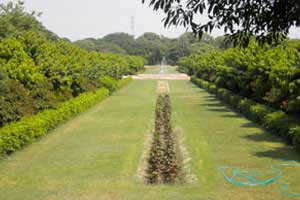
Mehtab Bagh, meaning "Moonlight Garden," is a beautifully landscaped Mughal garden located across the Yamuna River directly opposite the Taj Mahal. Originally designed by Emperor Babur and later restored, the garden offers one of the finest panoramic views of the Taj Mahal, especially during sunrise, sunset, and full moon nights. Lush green lawns, fountains, flowering plants, and tree-lined pathways create a peaceful atmosphere for visitors. Mehtab Bagh is a favorite destination for photographers, nature lovers, and tourists seeking a less crowded yet spectacular viewpoint of Agra's most famous monument.

Ram Bagh

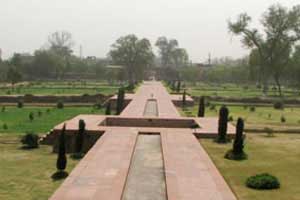
Ram Bagh is the oldest Mughal garden in India and was originally commissioned by Emperor Babur in 1528. Designed in the traditional Persian Charbagh style, the garden reflects the Mughal love for nature, symmetry, and landscape architecture. Beautiful water channels, fountains, shaded walkways, flowering plants, and lush greenery create a tranquil environment for visitors. The garden also holds historical significance, as Babur is believed to have been temporarily buried here before his remains were taken to Kabul. Today, Ram Bagh offers a peaceful retreat and provides insight into the early development of Mughal garden design in India.

Frequently Asked Questions

Do Not Miss Out On The Best-Discounted Deals For Our Top India Tour Packages.

Fill out this form with all the required information. Within 12 hours, we will provide you with a tailor-made itinerary at the best price.

Free, no-obligation quote — We'll send a personalised itinerary within 12 hours at the best price.

Nand Singh Rathore
Nand Singh
Rathore
Travel Expert
27+ yrs experience
Free Personal Consultation

Confused About Your
India Itinerary?

Whether you're planning your first India trip or returning to explore deeper — get honest, expert advice from someone who knows every corner of this country. No pressure, no cost.

No Obligation
100% Free Advice
Response in 12 hrs
Private & Custom Tours